
Understanding Hot Glue Pens
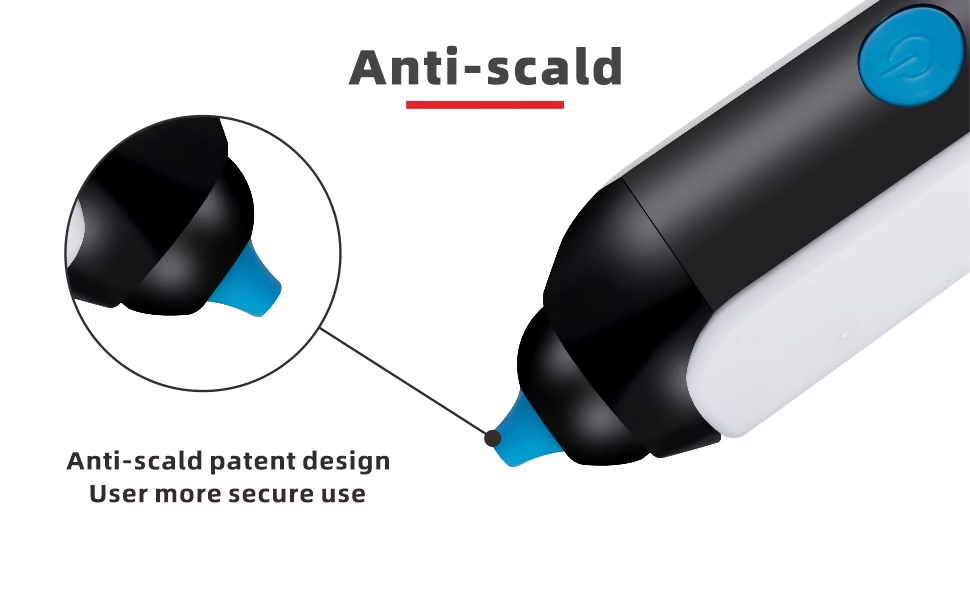
Hot glue pens are versatile adhesive tools that use heat to melt adhesive sticks, enabling users to bond materials effectively. Operating similarly to traditional glue guns, these pens offer a streamlined design that enhances precision and control during application. The main component of a hot glue pen is a heating element that warms the glue sticks, transforming the solid adhesive into a liquid form. When applied to surfaces, the melted glue cools rapidly, forming a strong bond between the materials.
Hot glue pens typically utilize thermoplastic adhesive sticks, which are available in various formulations to suit different bonding needs. These adhesives can bond a wide range of materials, including fabric, wood, plastic, metal, and ceramics. The ease of use of a hot glue pen makes it particularly appealing for intricate projects, such as crafting, DIY repairs, and industrial applications, where precision is paramount. The ability to control the flow of adhesive allows for more refined applications compared to traditional glue guns, which can be bulkier and less maneuverable.
One significant advantage of hot glue pens over conventional glue guns is their portability. Many hot glue pens are designed for easy portability, allowing users to tackle projects on the go without the constraints of a power cord. This feature is especially beneficial for those who engage in fieldwork or remote crafting. Furthermore, the quick heat-up time and rapid bonding process associated with hot glue pens enhance efficiency, making them an appealing choice for both professional and hobbyist users. Overall, the blend of high accessibility and dependable performance makes hot glue pens a favored tool in various crafting and repair tasks.
Lifespan and Durability of Hot Glue Pens
Hot glue pens have gained popularity as a versatile and user-friendly alternative to traditional glue guns. One of the primary concerns for users is the lifespan and durability of these tools, particularly when utilized under various conditions. Generally, a hot glue pen can last a considerable time if used and maintained correctly. The expected longevity is influenced by several factors, including the quality of materials used in the pen and how frequently it is employed.
High-quality hot glue pens that are constructed from durable materials tend to offer better longevity compared to lower-end models. Such pens are typically designed to withstand the heat generated during adhesive application while maintaining consistent performance. If you invest in a reputable hot glue pen, you are likely to experience a longer operational life. Conversely, pens made from inferior materials may degrade or malfunction more quickly, ultimately leading to dissatisfaction and additional costs for replacement.
Maintenance plays a crucial role in extending the life of hot glue pens. Regular care, such as keeping the nozzle clean and free from residue, can significantly enhance the device’s performance. Any blockage or buildup can disrupt adhesive flow, which may cause stress on the pen’s internal mechanisms and potentially lead to premature failure. Therefore, adopting good maintenance practices is essential for optimal use.
In comparison to traditional glue guns, hot glue pens generally offer a more user-friendly experience with added versatility. However, glue guns, especially heavy-duty models, are often built for extensive use under rigorous conditions and may have a longer lifespan under those scenarios. Ultimately, the longevity of both devices hinges upon the aforementioned factors, making it essential for users to choose wisely and care properly for their hot glue pens.
Best Practices for Extended Use of Hot Glue Pens
Using a hot glue pen for prolonged periods can be highly efficient, provided proper practices are followed. One essential aspect of extending the usability of a hot glue pen is managing the temperature settings. Most hot glue pens offer adjustable temperature controls, allowing users to select a heat level appropriate for their specific adhesive type. Using a lower temperature can minimize overheating, maintaining a steady flow of adhesive while preserving the integrity of the glue stick.
Preventing adhesive clogging is another critical factor in ensuring optimal performance during extended use. It is advisable to periodically clean the nozzle of the hot glue pen with a damp cloth to remove any accumulated residue. Additionally, keeping the pen upright when not in use can prevent glue from hardening in the nozzle. Regularly inspecting the glue sticks can also help; switching to a fresh glue stick when nearing the end of the current one helps maintain a free flow of adhesive.
Maintaining the components of the hot glue pen is equally important. Users should ensure that the housing and electrical parts remain free from dust and debris. Proper storage is also advisable; storing the pen in a cool, dry place will safeguard it against environmental damage that could affect performance. Safety precautions should not be overlooked either. To prevent overheating, users should take breaks during extended projects, allowing the pen to cool down. Adhering to these practices not only enhances the performance of the hot glue pen but also ensures a safer crafting experience, reducing the risk of burns and other hazards associated with prolonged exposure to heated materials.
Conclusion: Assessing the Long-Term Viability of Hot Glue Pens
In evaluating the suitability of a hot glue pen for long-term use, several critical factors come into play. This versatile tool is often lauded for its convenience and efficiency, making it suitable for a variety of crafting and repair projects. Hot glue pens provide a quick-setting adhesive solution that can bond different materials ranging from fabric and wood to metal and plastic. Their ability to offer precise application significantly reduces mess, allowing for clean and accurate crafting.
However, there are potential limitations to consider when utilizing a hot glue pen over an extended period. While the adhesive bond is generally strong initially, factors such as temperature and humidity can impact the longevity of the bond. Hot glue tends to soften when exposed to high temperatures, which may lead to deterioration in certain applications. Therefore, it is essential to evaluate the environmental conditions where the final product will reside.
Additionally, users should contemplate their specific project requirements, which can significantly influence the effectiveness of a hot glue pen. For temporary fixes, a hot glue application can be ideal, but for items that require durability and resilience under stress, alternative adhesives may be more appropriate. Readers are encouraged to assess their intended use cases and choose a glue method that best aligns with their personal crafting or repairing needs.
When selecting a hot glue pen, opting for reliable brands known for durability is crucial. Look for models that offer adjustable temperature settings and a quality glue stick compatible with the device. Popular options in the market have consistently received favorable reviews for their performance and ease of use, making them an excellent choice for both amateur and professional crafters alike.

Add comment