
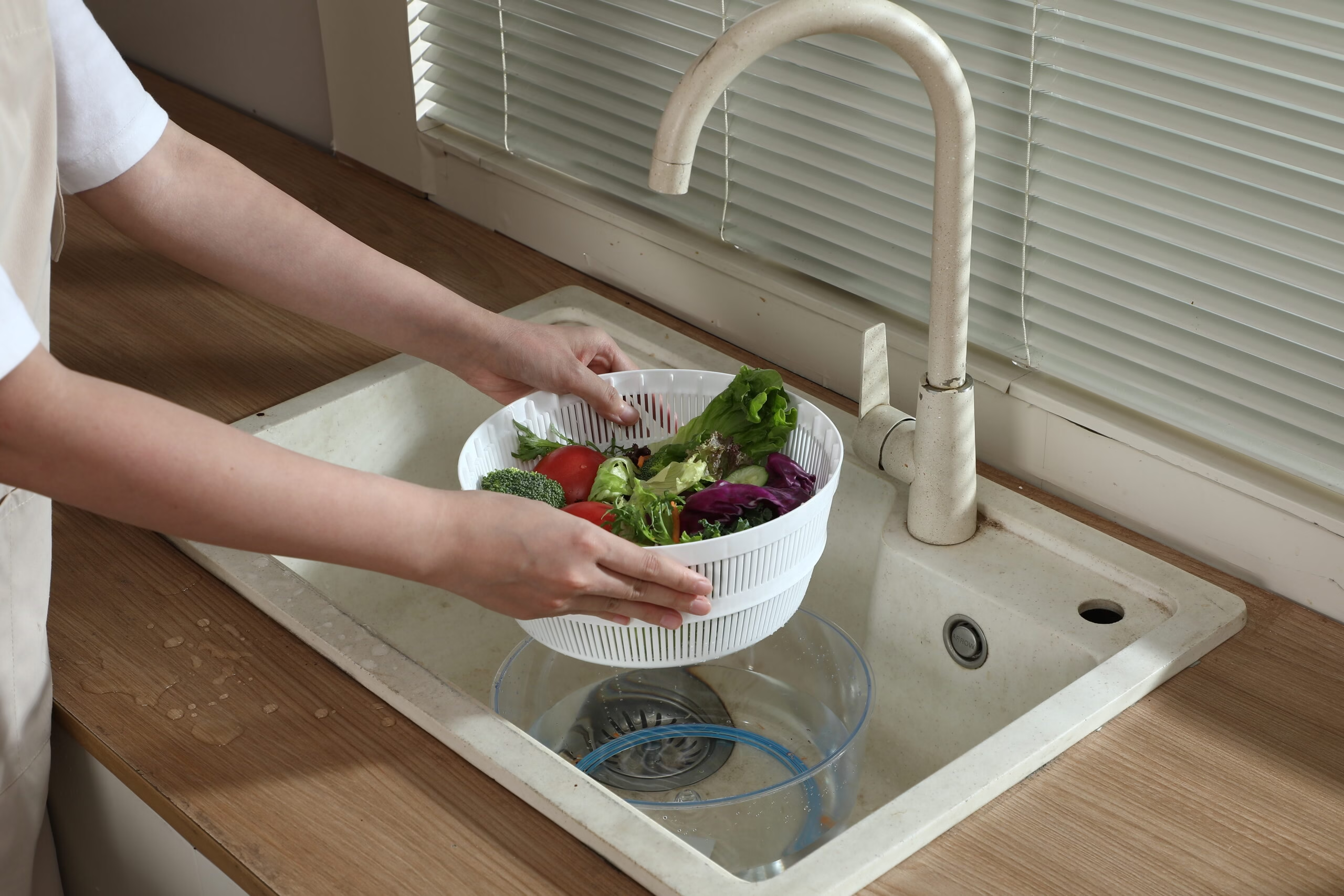
Introduction to Salad Spinners
Salad spinners are essential kitchen tools designed to effectively wash and dry salad greens and other vegetables. These devices serve a crucial function by removing excess water from washed produce, which can often dilute the flavor of salads or detrimental to the quality of the ingredients. A reliable electric salad spinner simplifies this task significantly, allowing users to prepare their greens effortlessly and efficiently while ensuring optimal freshness.
Typically, an electric salad spinner consists of a bowl, a spinning mechanism, and a lid. The user places the washed greens into the bowl, secures the lid, and activates the electric mechanism, which spins at high speed to remove moisture. This results in crispy, dry greens ready for dressing and serving. The convenience of an electric salad spinner makes it an invaluable appliance in modern kitchens, especially for those who frequently enjoy salads as part of their diet.
Choosing a dependable salad spinner electric is paramount to achieving the desired results when preparing salads. A high-quality electric salad spinner large enough to accommodate various quantities ensures that you can prepare large salads for gatherings or meal prep without compromising the effectiveness of the drying process. Moreover, the materials used in salad spinners should comply with safety standards to avoid any potential contamination or hazards while preparing food.
In summary, understanding the function and importance of salad spinners allows individuals to appreciate the value these appliances bring to their kitchen. Whether you are a cooking enthusiast or someone who enjoys the simplicity of quick meals, an electric salad spinner can enhance your culinary experiences while ensuring your salads remain fresh and delicious.
Materials Used in Salad Spinners
Salad spinners are essential kitchen tools that utilize various materials to enhance their functionality and usability. Primarily, these devices are constructed from plastic, which is widely recognized for its lightweight, durability, and affordability. When examining the implications of using plastic in kitchenware, one must consider both the advantages and disadvantages it presents. The most common types of plastics used in manufacturing electric salad spinners include polypropylene and polyethylene, both of which offer resistance to moisture and are generally safe for food contact.
One significant advantage of plastic is its flexibility in design, allowing for the creation of a salad spinner electric that can accommodate different capacities, such as an electric salad spinner large, which is beneficial for households with greater salad preparation needs. Moreover, plastics are easy to clean, often being dishwasher safe, which can save time and effort in kitchen maintenance.
However, concerns regarding the longevity and safety of plastic materials in kitchenware often arise. Some plastics may leach chemicals when exposed to high temperatures or as they age, calling into question their long-term suitability for food storage and preparation. Moreover, while many plastics are designed to resist staining and odor retention, the potential for scratches and degradation over time could diminish the performance of a salad spinner electric. Thus, it is essential for consumers to research and choose high-quality options that adhere to safety standards.
In conclusion, the materials employed in the production of salad spinners significantly influence their overall performance, safety, and durability. Understanding the properties of plastics will aid consumers in making informed decisions when it comes to selecting the right electric salad spinner for their culinary needs.
Food-Grade Plastic: What Does It Mean?
When it comes to kitchen tools, understanding the materials used is crucial, especially for items in direct contact with food, such as the electric salad spinner. The term ‘food-grade plastic’ refers to a category of plastics that have been deemed safe for food use by regulatory bodies. Manufacturers produce such plastics to meet specific standards that ensure they do not leach harmful chemicals into food products, thus safeguarding consumer health.
Food-grade plastics undergo thorough testing and comply with the regulations set forth by organizations such as the Food and Drug Administration (FDA) in the United States. These standards cover various aspects, including the type of materials used, their potential interactions with food, and their ability to withstand certain temperatures without degrading. Choosing an electric salad spinner made from food-grade plastic is essential for anyone looking to prepare meals safely. The assurance that the plastic will not interact with dressings or other ingredients makes a significant difference in the quality and safety of the salad prepared.
Not all plastics are created equal; hence, the importance of certifications cannot be overstated. A salad spinner electric made from food-grade plastic often includes markings or labels indicating its compliance with safety standards. For example, look for the recycling symbol or other indicators that confirm the plastic’s suitability for food contact. Furthermore, large electric salad spinners can significantly enhance meal preparation while ensuring that the materials used uphold high standards of safety.
In summary, selecting kitchen tools made from food-grade plastic is vital for maintaining food safety and minimizing potential health risks. Understanding these materials will help consumers make informed choices, ultimately leading to healthier, safer eating experiences.
Are Salad Spinners Safe to Use?
Salad spinners have become an essential tool in many kitchens, particularly those that value fresh, crisp vegetables. However, concerns about safety, particularly regarding the materials used in their construction, have been raised by consumers. Most salad spinners, especially electric salad spinners, are crafted from various types of plastics, which can sometimes lead to worries about chemical leaching. One notable concern is the potential release of bisphenol A (BPA), a chemical often used in the production of durable plastics.
Studies suggest that BPA can mimic hormones in the body, leading to health risks when ingested. As a result, many manufacturers of salad spinners electric have started to produce their products using BPA-free materials. Reputable brands prioritize consumer safety by adhering to strict regulations and using high-quality plastics that comply with safety standards. These advances help mitigate the risks associated with the use of plastic for kitchen tools.
Additionally, it’s critical for consumers to be aware of the signs of wear and tear on their salad spinners. Over time, cracks or scratches in the plastic can increase the risk of harmful substances leaching into food. Periodic inspection of both manual and electric salad spinner large models can ensure that they remain safe for use. Furthermore, it is advisable to wash salad spinners thoroughly prior to their first use and after each use, as this practice helps eliminate any potential residues from the manufacturing process.
Consumers should always look for products that come with information regarding the safety materials used and should consider opting for brands that are transparent about their manufacturing practices. By staying informed and making prudent choices, users can enjoy the benefits of salad spinners without unnecessary safety concerns.
Choosing a Safe Salad Spinner: What to Look For
When selecting a salad spinner, safety is paramount, especially in today’s market where numerous options are available, including the electric salad spinner and more traditional models. It is essential to assess various aspects that contribute to the safety and longevity of the device. One of the key factors to consider is the type of plastic utilized in the salad spinner. Opt for products made from BPA-free plastics, as they are known to be safer for food contact. This consideration is particularly important for an electric salad spinner, where heat may affect plastic composition, potentially leading to leaching of harmful substances.
Moreover, durability of the design should not be underestimated. A salad spinner electric should have sturdy components that can withstand regular use without compromise. Pay attention to the quality of the gears and any mechanical parts, as they are critical in ensuring consistent performance over time. It is advisable to read product reviews and details pertaining to the material quality before making a purchase.
Another pivotal aspect to review is the presence of safety certifications. Any well-designed electric salad spinner large should ideally feature certifications that guarantee compliance with food safety standards. Look for seals from reputable organizations that indicate rigorous testing for toxins or unsafe materials. Purchasing from trusted brands can help assure buyers of product safety, as established manufacturers tend to prioritize compliance with safety regulations.
Finally, evaluate user experience regarding ease of assembly, operation, and cleaning. A safe and efficient product should not only perform well in its primary function but should also provide a hassle-free user experience. By keeping these considerations in mind, consumers can confidently select a salad spinner that meets both safety and quality standards.
The Role of Regulations in Kitchenware Safety
In ensuring the safety of kitchenware, including electric salad spinners, government regulations play a crucial role. Various regulatory bodies are responsible for setting the standards that kitchenware must meet before being deemed safe for consumer use. In the United States, for instance, the Food and Drug Administration (FDA) regulates materials that come into contact with food, ensuring that such items do not leach harmful substances into food products. This oversight is particularly important for an electric salad spinner, which often uses plastics in its construction.
Additionally, the Consumer Product Safety Commission (CPSC) oversees the safety of consumer products and can issue recalls on items that are found to pose a hazard. This sets a high bar for manufacturers, as non-compliance can lead not only to recalls but also to significant liability issues and reputational damage. Manufacturers may choose to make a salad spinner electric with various features designed for efficiency and ease of use, but those designs must adhere to established safety norms to protect consumers.
Moreover, compliance with international safety standards, such as those set by the International Organization for Standardization (ISO), can open up markets for kitchenware manufacturers. An electric salad spinner large enough for family use, for example, must meet rigorous standards if it is to be sold globally. Such regulations are not only about ensuring safety but also about maintaining quality control throughout the production process. Higher standards often result in better-designed products that not only perform well but also help ensure user safety.
Ultimately, effective regulation contributes positively to consumer confidence, encouraging them to invest in products like electric salad spinners without fear of compromising their health and safety.
Potential Health Concerns and Misconceptions
The use of plastic kitchenware, including electric salad spinners, has often been surrounded by a cloud of health concerns and misconceptions. Among the most common issues discussed is the potential leaching of harmful chemicals from plastic into food. While this apprehension is valid, it is essential to distinguish between different types of plastics used in kitchenware. Most modern salad spinners, particularly electric salad spinner large models, are manufactured using BPA-free plastics or food-grade materials that have been deemed safe for culinary use. Across reputable brands, comprehensive safety standards are adopted to ensure consumer health is prioritized.
Another prevalent myth pertains to the durability and longevity of plastic kitchenware. Some believe that plastic salad spinners are insufficiently sturdy or prone to wear and tear, thus posing health risks. However, high-quality electric salad spinners are designed to withstand repeated use without compromising their structural integrity. Manufacturers often conduct rigorous testing to ensure that these products meet safety guidelines. Consequently, well-maintained salad spinner electric units can last for years, serving their purpose without substantial risk to user health.
Moreover, the cleaning and maintenance practices for salad spinners can further mitigate health concerns. Consumers may be led to believe that cleaning plastic items is less effective than cleaning those made from glass or metal. Nevertheless, using hot water and a suitable dish detergent can effectively sanitize plastic kitchenware, ensuring that harmful bacteria do not thrive. By adhering to these practices, users can confidently utilize their electric salad spinner without apprehension.
Understanding these health concerns and misconceptions is critical for informed purchasing decisions. By educating themselves about the materials used in products like salad spinners, consumers can debunk myths and focus on choosing safe, high-quality kitchenware that enhances their food preparation experience.
Care and Maintenance for Safe Use
To ensure the longevity and safety of your electric salad spinner, it is essential to adhere to proper care and maintenance practices. These practices not only extend the lifespan of the appliance but also help prevent cross-contamination and degradation of materials, thereby promoting food safety. Following a few simple guidelines can keep your salad spinner electric in optimal condition.
First and foremost, cleaning your salad spinner after each use is crucial. For most models, including electric salad spinner large variants, it is recommended to disassemble the components for thorough cleaning. Wash the bowl and lid with warm soapy water, and utilize a soft sponge to avoid scratching the surfaces. For the spinner mechanism, a damp cloth is typically sufficient to wipe away any food residues and maintain its functionality. In some cases, parts may be dishwasher safe, but it is wise to consult the manufacturer’s manual for specific instructions related to your model.
After washing, ensure that all components are completely dried before reassembling. Moisture can lead to the growth of bacteria, which is particularly concerning when dealing with greens and vegetables. It is advisable to air dry the parts, or use a clean kitchen towel to wipe them down to prevent any water spots or mildew from forming.
When it comes to storage, place the electric salad spinner in a cool, dry location away from direct sunlight. Avoid stacking heavy items on top of it, as this can stress the plastic materials, potentially leading to cracks or breaks. If possible, store the spinner with the lid off to allow air circulation, which helps reduce moisture buildup. Following these care and maintenance strategies will not only safeguard your electric salad spinner but also ensure that your food preparation remains hygienic and safe.
Conclusion: Prioritizing Safety in Kitchen Tools
In today’s culinary environment, safety should be regarded as a paramount concern when selecting kitchen tools, particularly when it comes to devices such as electric salad spinners. The materials used in the construction of these kitchen gadgets can significantly impact food safety, making it crucial for consumers to choose models that utilize food-grade materials. An electric salad spinner, whether small or an electric salad spinner large, should be crafted from materials that are not only durable but also non-toxic and free from harmful chemicals. This ensures that no hazardous substances leach into the food during the washing and drying process.
Moreover, understanding standards and certifications related to kitchen tools can further enhance the safety of electric salad spinners. Consumers should look for products that are backed by reliable safety standards and have undergone rigorous testing. By prioritizing safety in the selection of kitchen equipment, individuals can greatly reduce the risks associated with food contamination, thus safeguarding not only their health but also that of their family and guests.
Encouraging awareness regarding the significance of safe materials in kitchenware is essential. By sharing knowledge about the advantages of using high-quality electric salad spinners made from safe materials, we can empower others to make informed choices. Whether preparing a simple side salad or a more elaborate dish, the importance of using an electric salad spinner that meets safety standards cannot be overstated. As consumers, fostering a culture of safety in our kitchen tools will ultimately contribute to a safer and healthier cooking experience for everyone.


Add comment