
No products in the cart.
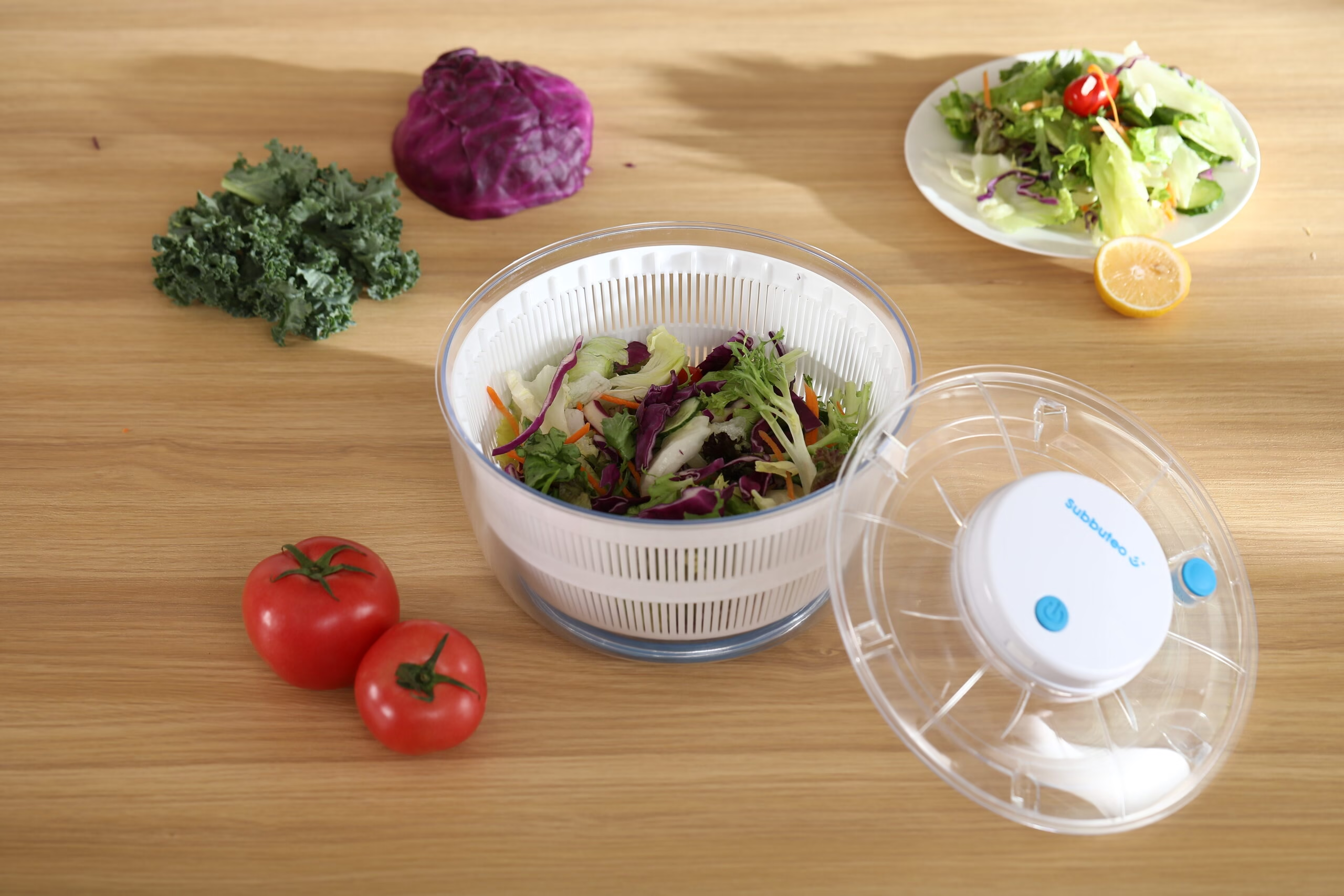
Evaluating the Drainage Performance of Electric Salad Spinners: A Comprehensive Review
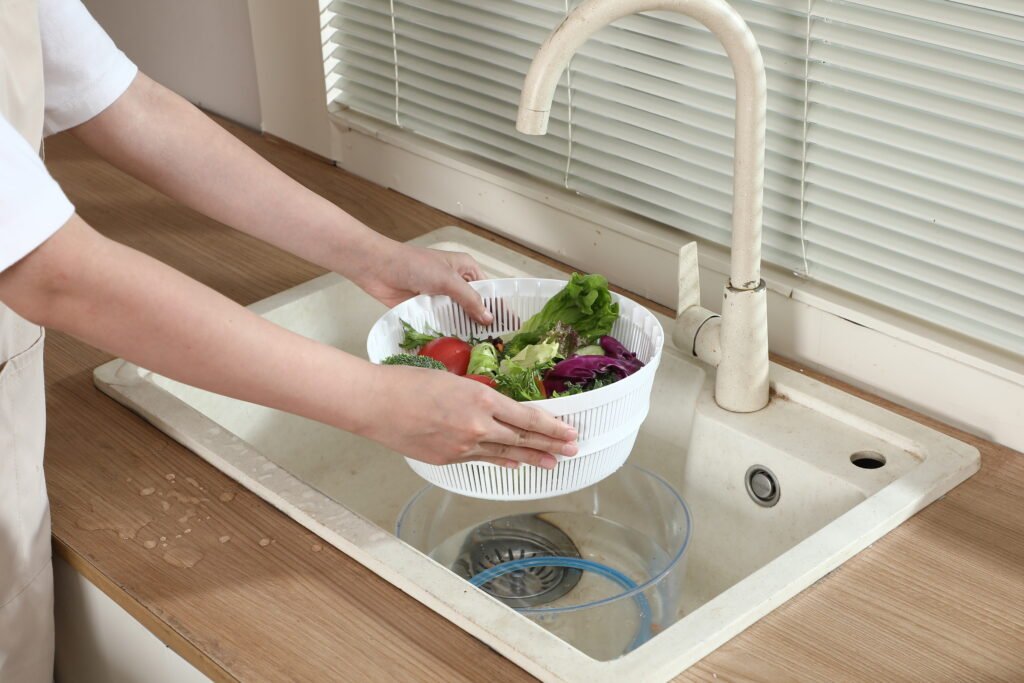
Introduction to Electric Salad Spinners
Electric salad spinners represent a significant advancement in kitchen technology, streamlining the process of washing and drying salad greens. These innovative appliances serve the same fundamental purpose as traditional manual salad spinners: to effectively remove excess water from washed ingredients, thereby enhancing the overall texture and flavor of salads. However, the emergence of the electric salad spinner has fueled a growing popularity among both amateur cooks and professional chefs, thanks in part to their efficiency and ease of use.
Unlike their manual counterparts, electric salad spinners are designed to automate the spinning process, allowing for hands-free operation. This feature is particularly beneficial for individuals who may have difficulty using a manual spinner due to strength or dexterity issues. The electric salad spinner works by utilizing a motor that rapidly spins a basket containing the washed greens, effectively extracting water without risking tears or bruises to delicate leaves. This automated mechanism not only minimizes the effort required but also ensures a more thorough drying process.
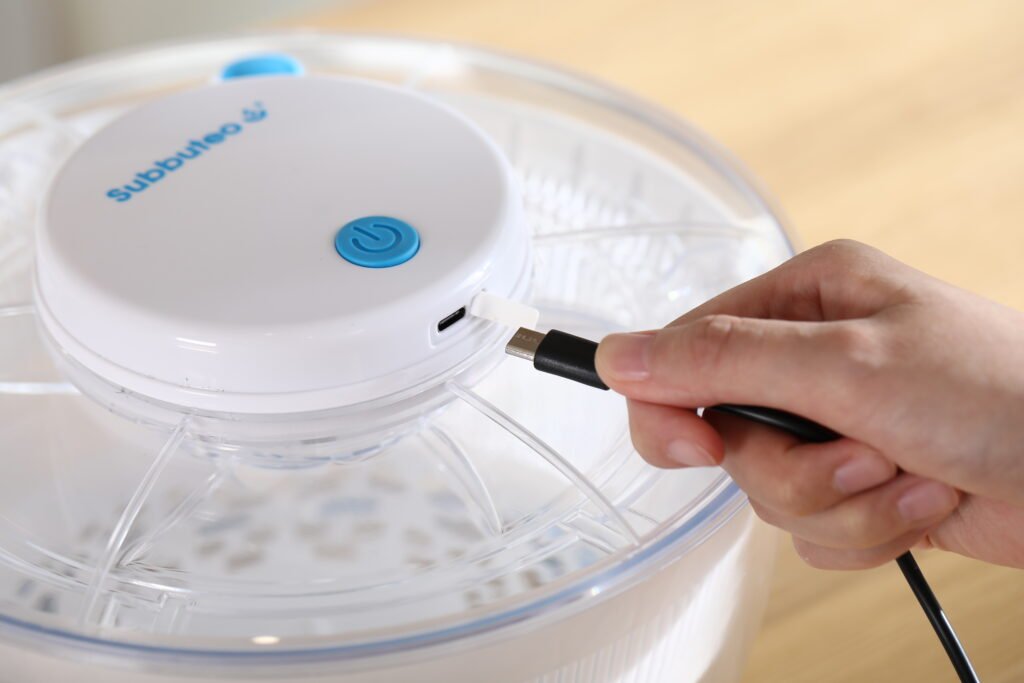
In recent years, many brands have introduced electric salad spinner large options, catering to the needs of households and gatherings that require larger servings. The capability to efficiently dry larger quantities of greens without additional labor makes these devices an attractive option for meal prep. As the trend toward healthier eating continues, the demand for reliable and efficient salad preparation tools has never been higher, making electric salad spinners a critical addition to modern kitchens.
As we delve deeper into this review, we will explore the drainage performance of electric salad spinners, comparing their efficiency against manual models and highlighting their advantages in culinary practice. This comprehensive examination aims to empower readers with the knowledge needed to select the right equipment for their kitchen needs.
Understanding Drainage Performance
Drainage performance in electric salad spinners refers to the effectiveness with which these appliances remove water from freshly washed leafy greens. It is a crucial aspect of the washing and drying process because excess moisture can affect the quality, texture, and longevity of salads. A well-functioning salad spinner electric not only speeds up this process but also ensures that the greens retain their desirable characteristics, enhancing both flavor and presentation.
Several factors influence the drainage performance of an electric salad spinner, with rotational speed being one of the most significant. Typically, a higher rotational speed translates to a more efficient water removal process, as the centrifugal force generated during operation effectively flings water droplets away from the leaves. Therefore, electric salad spinner large models often offer higher RPM capabilities, making them more effective for users who require quick and efficient drying of large quantities of salad greens.
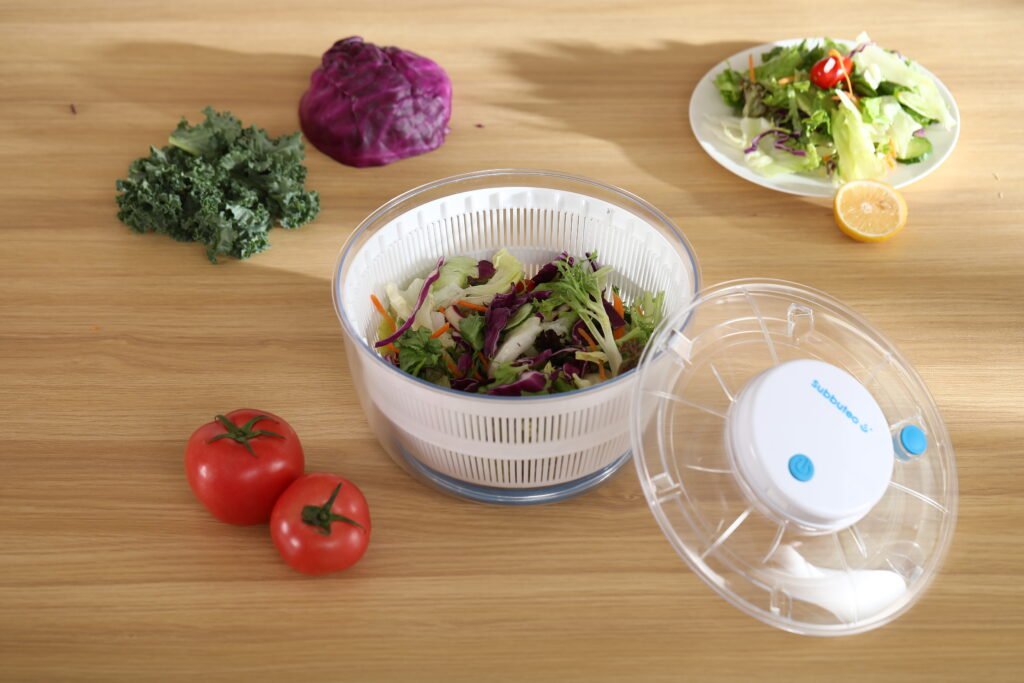
Water removal efficiency is another important factor to consider. This encompasses the spinner’s design, particularly the basket’s structure and the material used. For instance, a basket with well-placed holes allows for quicker drainage, while those made from lightweight, yet durable materials can minimize water retention after spinning. Proper airflow within the spinner also plays a crucial role, as it facilitates the movement of water droplets during the drying cycle.
In summary, understanding the drainage performance of an electric salad spinner is essential for users seeking to optimize the washing and drying of leafy greens. By examining factors such as rotational speed and water removal efficiency, consumers can make informed decisions, ensuring they choose a salad spinner that meets their needs for effective and efficient food preparation.
The Role of Motor Speed in Performance
Motor speed is a critical factor when evaluating the performance of an electric salad spinner. The effectiveness of these appliances largely hinges on their ability to rapidly spin the contents, thus removing excess water from leafy greens and other vegetables. An electric salad spinner utilizes a motor that can reach varying rotational speeds, which subsequently enhances drainage efficiency. High rotational speed not only aids in water removal but also ensures that the greens remain undamaged during the process.
A fundamental advantage of a high-speed electric salad spinner is its capability to achieve optimal drying in a considerably shorter period. The centrifugal force generated during rapid spinning propels water away from the produce, allowing it to collect in a designated bowl or compartment. This method is generally more effective than manual alternatives, as the consistent motor speed in an electric salad spinner large provides a uniform drying effect that manual methods may not replicate.
Furthermore, the motor speed influences how well the electric salad spinner can handle varying quantities of vegetables at once. Spinners with more robust motors can maintain higher speeds even when filled to capacity, ensuring that larger loads are adequately dried. This feature is particularly beneficial for those who frequently prepare salads for gatherings or meal preps, where maximizing efficiency while minimizing effort is crucial.
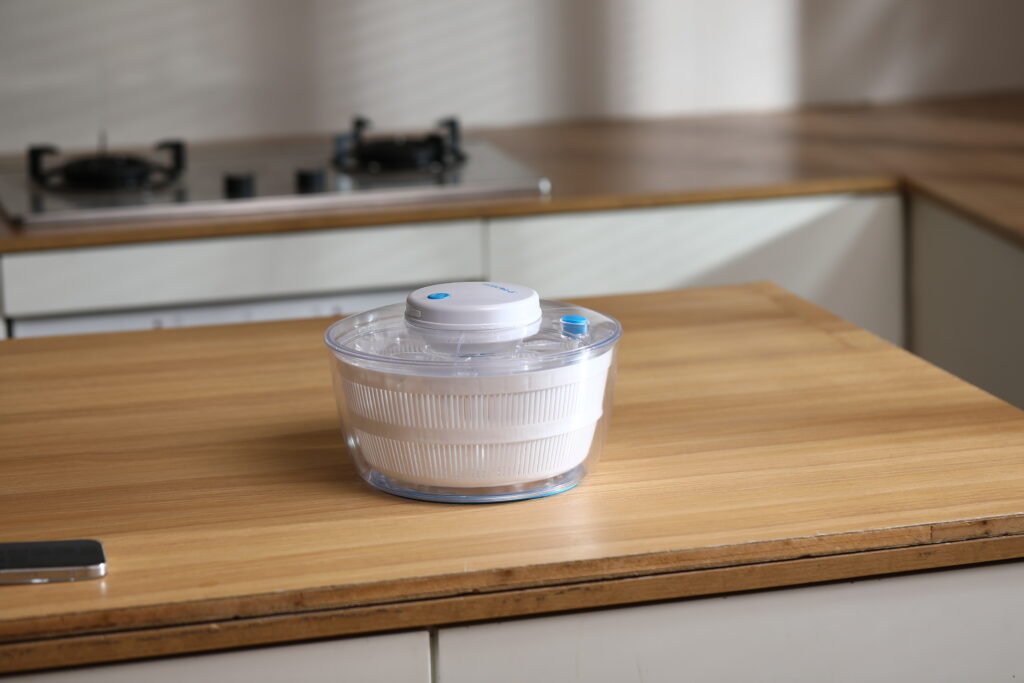
Ultimately, the relationship between motor speed and drainage performance is significant in assessing an electric salad spinner’s overall effectiveness. Selecting a model with a high-speed motor can dramatically improve both the time spent on salad preparation and the resulting texture of the greens, achieving the desired outcome of thoroughly dry produce without compromising quality.
Battery Life Considerations
The battery life of an electric salad spinner is a critical factor that directly influences the device’s usability and convenience. Unlike traditional salad spinners that rely purely on manual operation, an electric model offers the benefit of automation, which is particularly advantageous for users with busy lifestyles. A reliable electric salad spinner not only enhances efficiency but also necessitates a robust battery performance to support extended use.
In most households, the demand for preparing fresh salads is common, which is where the longevity of the battery comes into play. An electric salad spinner equipped with long-lasting batteries can be particularly valuable in large households or for families that frequently host gatherings. Users can enjoy the convenience of quickly cleaning and drying a substantial number of salad leaves without the hassle of recharging the spinner mid-task. This efficiency is further magnified in high-demand situations, such as preparing meals for a crowd, where time is of the essence.
The integration of powerful batteries in electric salad spinners not only enhances their performance but also impacts the overall user experience. Models that boast extended battery life tend to outshine their competitors by offering uninterrupted operation and less frequent require charging sessions. To achieve optimal performance, it is essential to select an electric salad spinner that guarantees durability as well as efficiency. In essence, extended battery life is a hallmark of quality that ensures the spinner can effortlessly handle even the most demanding culinary tasks, making it an indispensable tool in the kitchen.
Design Features That Enhance Drainage
When it comes to electric salad spinners, several design elements play pivotal roles in enhancing their drainage capabilities. At the forefront is the bowl shape, which can significantly affect how water is extracted from leafy greens and other salad ingredients. A wide and shallow bowl design typically facilitates better centrifugal force, allowing excess water to be effectively removed from the contents during the spinning process. This optimized shape maximizes the efficiency of water removal, making the electric salad spinner large enough to accommodate bigger batches while still ensuring a thorough clean.
Ventilation is another critical feature that elevates the functionality of a salad spinner electric. Many modern models incorporate strategically placed air vents within the lid or sides of the bowl. These air vents allow moisture to escape freely during operation, promoting quicker drying times. Adequate ventilation ensures that any trapped water can be swiftly expelled, thereby maintaining the freshness of the salad ingredients. This feature is particularly beneficial for those who prefer to rinse their greens before spinning, as it minimizes the risk of water pooling at the bottom of the bowl.
Furthermore, the design of the lid also influences the drainage performance. Rotating lids, especially those with built-in locking mechanisms, provide a secure closure that prevents spillage while allowing for an optimal spinning experience. These lids often include mesh inserts that enable water to pass through while keeping the salad securely contained. The combination of an efficient lid design and a well-crafted bowl ensures that an electric salad spinner can achieve effective and streamlined drainage, regardless of the batch size. Understanding these design features can help consumers select the best electric salad spinner suited to their culinary needs.
User Experience and Feedback
User feedback plays a vital role in understanding the effectiveness and usability of electric salad spinners. A variety of users have shared their experiences, highlighting both strengths and weaknesses in the performance of different models. Many users appreciate the convenience that electric salad spinners offer compared to traditional manual options. For instance, the ease of simply pressing a button and allowing the machine to do the work is frequently cited as a significant advantage. This is particularly beneficial for individuals with limited wrist strength or those who prefer a more efficient approach to salad preparation.
Drainage performance is a critical factor influencing user satisfaction. Reviews indicate that certain electric salad spinner large models excel in this area, effectively removing excess water from leafy greens and vegetables. Users report that their salads stay crisp and fresh for more extended periods due to the superior drainage capabilities. Feedback suggests that the incorporation of advanced centrifuge technology results in optimal performance, ensuring that moisture does not linger on the produce after washing.
However, some consumers have raised concerns regarding the durability and maintenance of these electric devices. Instances of motors failing or components malfunctioning have been reported, prompting users to question the longevity of their investments. Moreover, the size of the electric salad spinner sometimes limits the amount of produce that can be processed at one time, which may not accommodate larger meal preparations. Despite these criticisms, many users acknowledge the convenience and efficiency these electric salad spinners provide, making them a useful addition to their kitchens.
Overall, feedback collected from users demonstrates a generally favorable perception towards electric salad spinners, particularly their drainage performance and user-friendly operation. While there are considerations to keep in mind regarding durability and capacity, the consensus leans towards satisfaction with the functionality these devices offer.
Comparative Analysis with Manual Spinners
When it comes to salad preparation, the technique used for washing and draining greens can significantly affect both efficiency and user convenience. Electric salad spinners have gained traction in modern kitchens due to their ability to streamline the process compared to traditional manual salad spinners. The primary distinction lies in their operational mechanics; while manual spinners require users to manually crank a handle to achieve centrifugal force, electric models automate this function, making them less labor-intensive.
One of the most notable strengths of the electric salad spinner is its efficiency. With a simple press of a button, these devices can effortlessly spin at high speeds, ensuring that excess water is removed quickly and thoroughly. This efficiency can be particularly beneficial for individuals preparing meals for larger gatherings, as the electric salad spinner large variant can handle more substantial quantities of greens in a single cycle. In contrast, manual spinners may require multiple batches for the same amount of salad, which can consume more time and effort.
However, it is important to consider some weaknesses associated with electric models. They typically require access to a power source, which may limit flexibility in certain settings, such as picnics or outdoor gatherings. Additionally, while electric salad spinners are often praised for their convenience, they are generally heavier than their manual counterparts, which may pose challenges for storage and portability. On the other hand, manual spinners are simpler devices with no reliance on electricity, making them universally usable and often more budget-friendly.
In evaluating both options, the choice between electric and manual salad spinners ultimately depends on the user’s specific needs and preferences. While electric models provide superior efficiency and ease of use, traditional manual spinners retain their appeal through simplicity and versatility.
Tips for Optimal Use
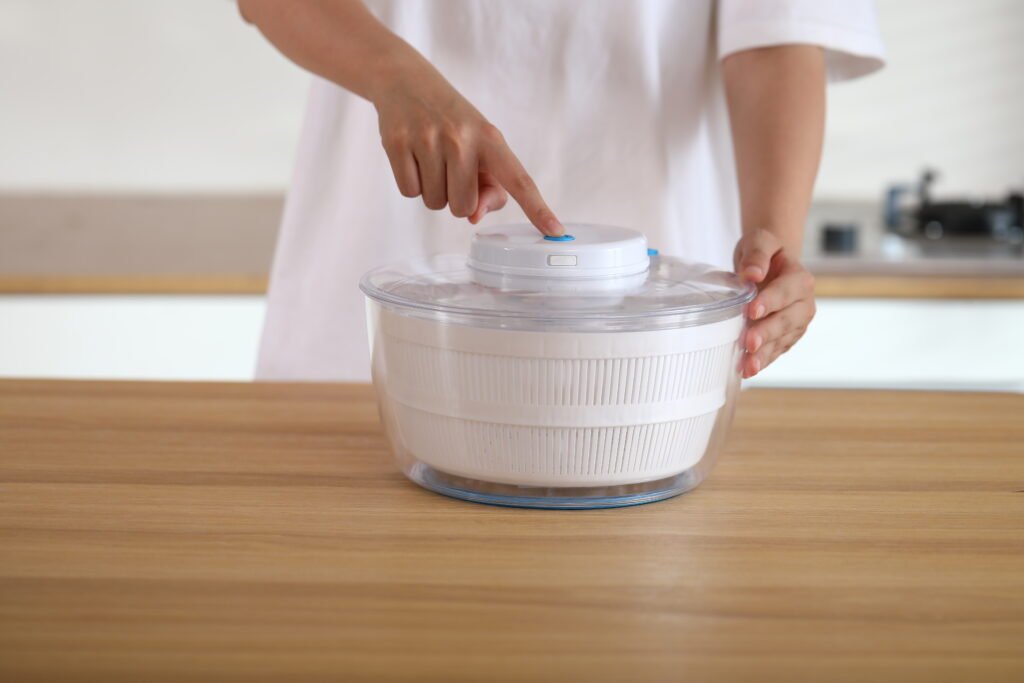
To ensure that your electric salad spinner operates at peak efficiency, it is essential to adhere to specific best practices when loading, operating, and maintaining the appliance. Proper usage significantly enhances the drainage performance of the electric salad spinner, allowing for effectively dried greens and vegetables.
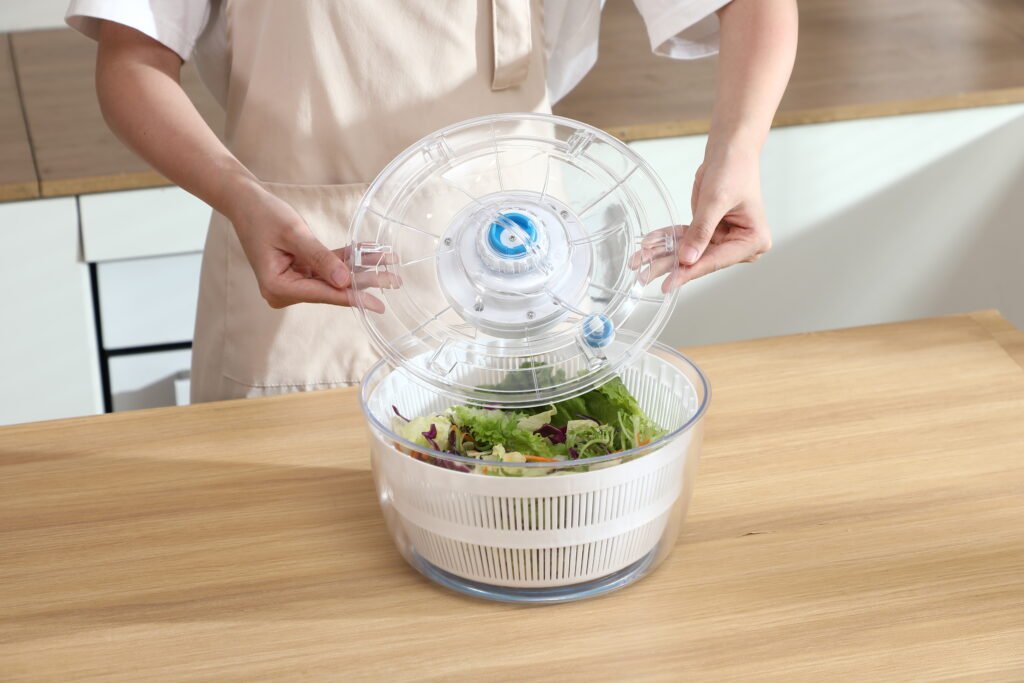
When loading your salad spinner electric, aim to fill it no more than two-thirds full. Overloading can impede the spinner’s ability to agitate and remove excess water effectively. Instead, process smaller batches to achieve optimal drainage results. Ensure that the greens and vegetables are evenly distributed within the bowl, allowing them to spin freely for maximum effectiveness.
Before using your electric salad spinner large, it’s beneficial to rinse your produce under cold water to eliminate any dirt or debris. This initial rinse also helps minimize the amount of water that needs to be drained later, improving the overall efficiency during the spinning process. Additionally, pre-cut or tear the leaves into smaller pieces, as this can facilitate more thorough drying within the spinner.
While operating your electric salad spinner, avoid using it on a surface that might cause vibrations or instability. A stable platform is crucial for ensuring even spinning and effective water removal. Follow the manufacturer’s instructions regarding operational time; typically, a minute or two of spinning is sufficient for optimal results.
Finally, regular maintenance of your electric salad spinner is vital for long-lasting performance. Clean the components thoroughly after each use to prevent build-up of residues that may affect drainage performance over time. Periodically check for any wear or damage to the spinner’s mechanism and ensure it remains in good working condition. With these practical tips, you can maximize the efficiency of your electric salad spinner for perfectly dried salads every time.
The Future of Salad Preparation
The evolution of the electric salad spinner has significantly enhanced the way we prepare salads, particularly in terms of drainage performance. Traditional methods have often been cumbersome and prone to ineffective drying, making the convenience offered by salad spinner electric devices exceptionally valuable. With the advancement of technology, these machines now ensure that greens are perfectly dry, preserving their freshness and crunchiness for longer periods.
Future designs of electric salad spinners, especially larger models, are expected to incorporate more sophisticated mechanisms that maximize water removal while maintaining the integrity of delicate leaves. Innovations such as improved spin cycles and user-friendly interfaces are likely to enhance the effectiveness of these tools, making them an indispensable asset in modern kitchens. Furthermore, materials and construction techniques are anticipated to evolve, producing electric salad spinners that are not only efficient but also durable and aesthetically pleasing.
As consumers become more health-conscious and inclined towards fresh produce, the electric salad spinner’s role will likely expand beyond just drainage. We can foresee a future where these devices integrate with smart kitchen technology, offering features such as automated drying cycles based on the moisture content detected in salads. This could further ensure optimal preparation while saving time, making salad preparation not only speedier but also smarter.
In conclusion, the advancements made in electric salad spinners reveal a promising trajectory for the future of salad preparation. With enhanced drainage performance, increased efficiency, and potential integration with smart technology, the electric salad spinner is poised to revolutionize how we enjoy fresh salads in our daily lives. It is an exciting prospect for both culinary enthusiasts and health-conscious consumers alike.
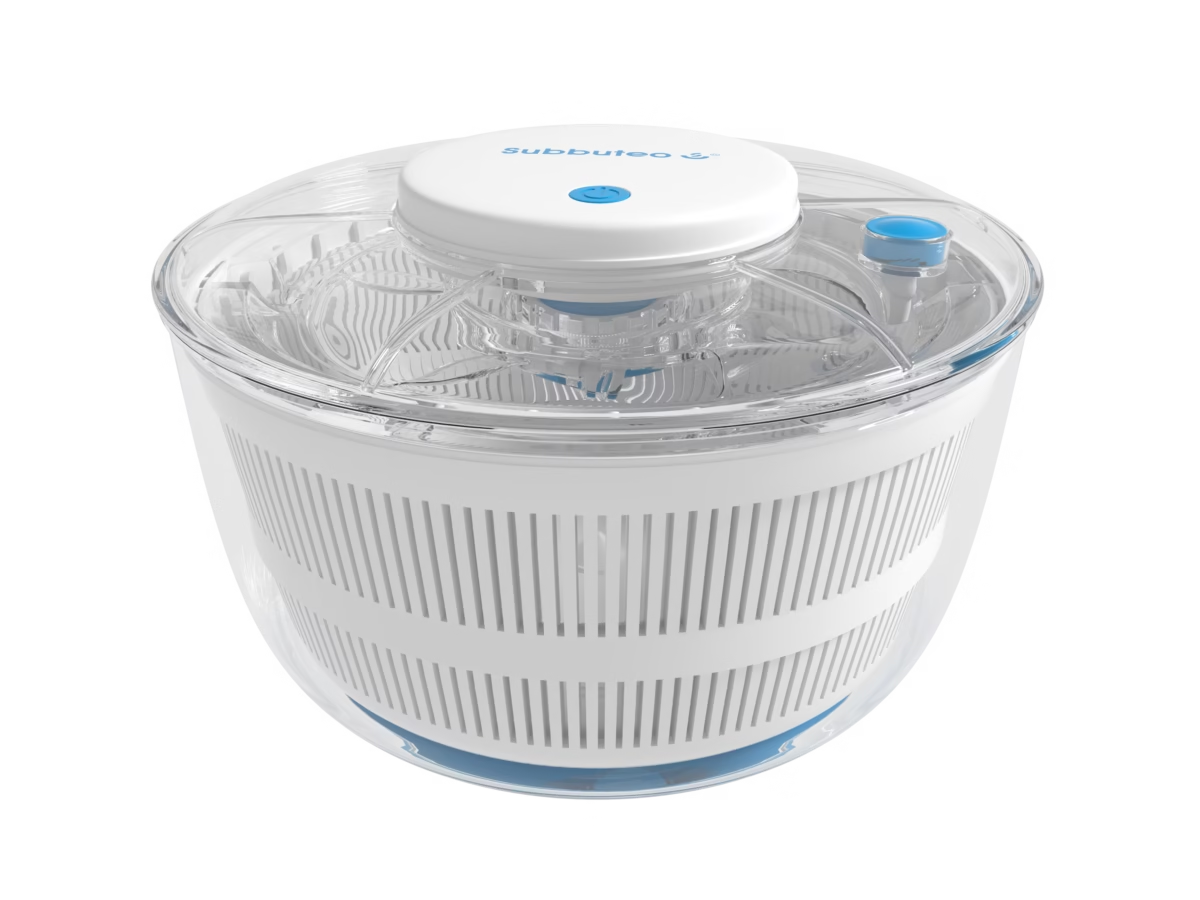
Cordless Electric Salad Spinner
Battery Capacity : 1500mAh
Automatic Shutdown Time : 10S
Charge Time (from empty): 2.5h
Battery Operating Time : 70 Min



Add comment